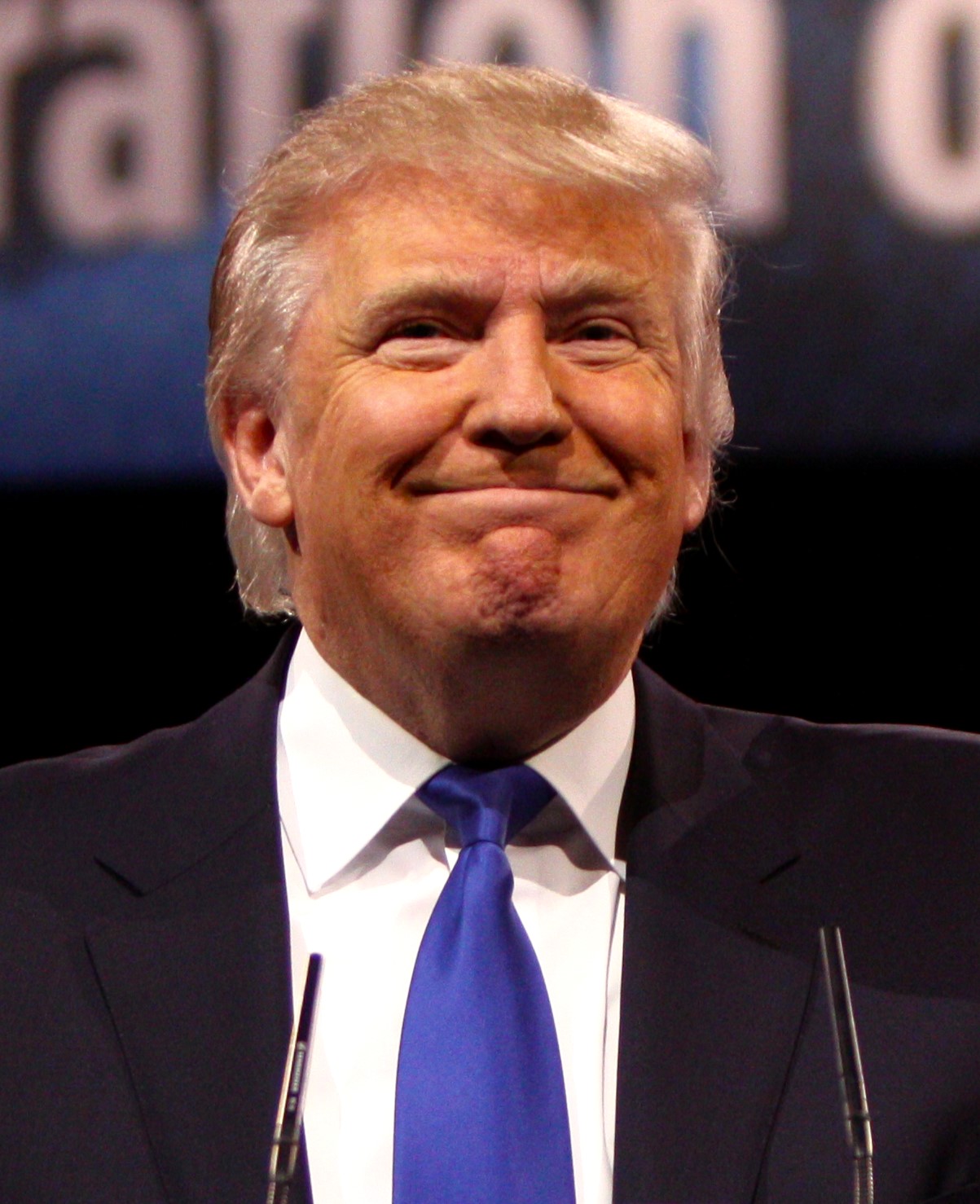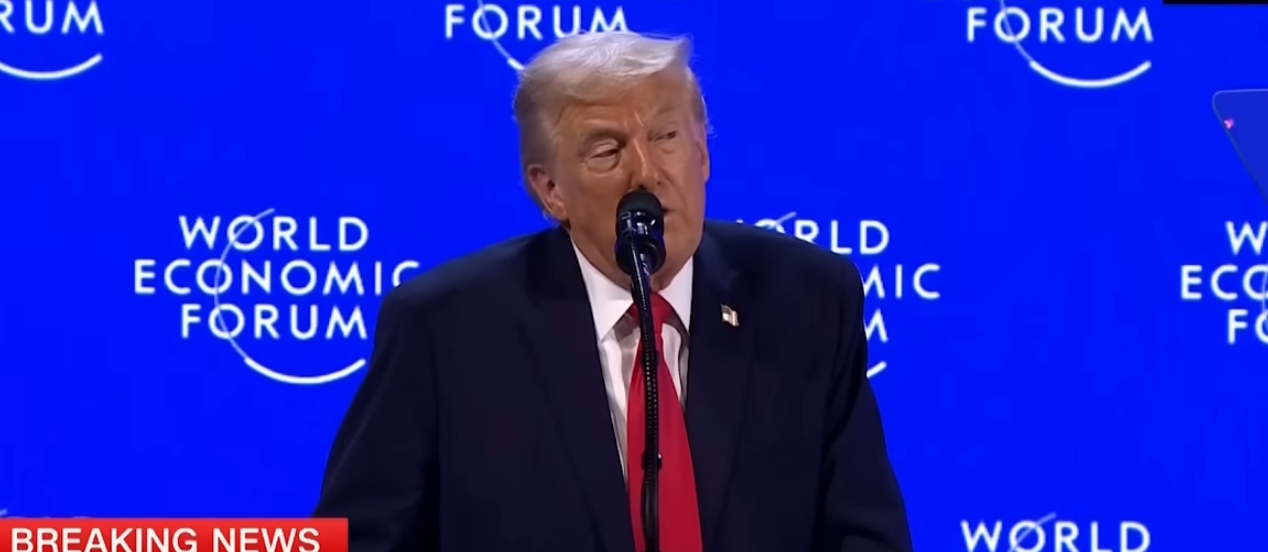
Many people today fear the unpredictability of Trump. Greenland, Venezuela, Denmark, Canada… the list is a long one. Human Rights Watch also fears for democracy in the United States and in recent days has warned that Donald Trump is turning the U.S. into an authoritarian state, assessing that democracy and human rights are under attack from all sides, and that democracy worldwide is being undermined. Even Americans themselves are unsure about their own democracy, and fear is spreading. However, how justified and realistic is all this—especially when it comes to the stability of the system itself and relations within the United States? It seems, nevertheless, that there is some exaggeration.
What is mostly forgotten or ignored is the fact that Trump did not become President of the United States on his own, as an individual whose biography shows that in 1970s New York, the ambitious real estate mogul Donald J. Trump sought to step out of the shadow of his powerful father and become a power broker himself. At the beginning of his career, he was helped by Roy Cohn, a political fixer who became his main mentor. Cohn taught Trump how to acquire wealth and power through deception, intimidation, and media manipulation. The rest is more than history. It is the current reality—one imposed by the media and seen by the world under that influence.
But Trump came to the head of the United States with strong support from the Republican Party, to which, in the end, he must answer. As a lone wolf—no matter how ambitious, powerful, and wealthy he may be—he could not have come to lead the most powerful country in the world without that institutional party support. Of course, Trump currently wields great power and can, and does, do whatever he wants. But other U.S. presidents before him did the same. Perhaps not in such a visible way, because the media then did not have real-time insight and access to almost every decision made by a world leader, especially Trump, as is the case today. Yet there were moves that bordered on madness and irrationality, such as persisting in the Vietnam War without any real reason or tangible benefit, apart from an excessive fixation on defending American interests from the specter of communism.
Let us recall that President Nixon’s term was riddled with scandals, and Ronald Reagan did whatever he wanted, so much so that Human Rights Watch stated that democracy in the U.S. has returned to the level of 1985, when Reagan was president. What truly matters—and what Americans themselves and the rest of the world can reliably count on—is the strength of the institutions and democracy that exist in the United States. This is often underestimated and seen as fragile as porcelain, but neither Trump nor the “gray forces of white America” can seriously undermine it.
Many analysts and media outlets that relay these views draw superficial conclusions, catering to media trends that build a “pyramid of fear” around and about Trump, claiming that American democracy is on its last legs and heading toward totalitarianism. There is no chance of that. Despite strong tensions and divisions within American society, what the Founding Fathers established in the Declaration of Independence and the U.S. Constitution will not allow such a collapse—nor will the Republicans themselves, as the oldest and longest-standing party in the United States. And Trump, as mentioned, answers to them. Trump is too small, no matter how much he wants to be great, to bring down something as great as democracy in the United States.
Author: Ivica Buljan